
Best Android Games You Should Play Right Now in 2025
Despite powering over 70% of the world’s smartphones, the Android platform hides a brutal truth: most of its top games are free-to-play, yet they can deliver console-level depth and graphics if you know where to look. Top android games are curated experiences that combine touch-first controls, cloud saves, and cross-device syncing, letting you jump from a phone to a tablet without losing progress. By filtering for high user ratings and offline modes, you unlock endless, premium-quality action for zero upfront cost—turning any spare minute into a full-blown gaming session.
What Actually Makes a Mobile Game Worth Your Time in 2025?

A top Android game earns your time in 2025 by respecting it: no forced ads between every run, no daily-login chores disguised as rewards. Look for offline-first stability—a game that loads in under three seconds and doesn’t drain battery during a commute. The best picks offer meaningful progression you can pause mid-session without penalty, like roguelikes or deep puzzle titles. True value lives in a single, polished loop you can play for five minutes or fifty, not in endless battle passes or gacha timers. If a game pressures you to check in daily, it’s not entertainment—it’s an obligation. Before downloading, check session length in reviews; a 2025 flagship should respect your interruptibility, not fight it.
Key Traits That Separate Premium Titles from Cash-Grab Clones
Premium Android titles distinguish themselves through full offline functionality, where every core mechanic works without a forced connection, whereas clones often require persistent server checks to inject ads or timers. Premium games respect your session with immediate save states and no interstitial interruptions, while cash-grabs throttle progression behind energy meters or pay-to-skip prompts. Visual polish matters: premium assets show consistent art direction across menus and gameplay, whereas clones reuse stock assets or stretch UI elements. Finally, premium titles offer complete, replayable content at purchase, while clones pad with repetitive loops designed to push microtransactions. If a game hides its true cost behind endless currency layers, it is a clone.
How to Spot Games That Respect Your Battery Life and Storage Space
Check the game’s Play Store listing for a “low battery impact” indicator in its optimization tags, and skim recent reviews for “heats my phone” or “drains fast.” Before downloading, open the app’s info page—if the install size exceeds 300 MB but promises “offline play,” that’s a red flag for hidden assets. Inside the game, dive into settings: titles that let you cap frame rate, drop shadows, or toggle background downloads are built for longevity. Finally, test the first ten minutes—if your battery drops 2% or more that quickly, uninstall immediately.
- Look for “variable refresh rate” support in the spec sheet
- Choose games that separate HD texture packs as optional, not mandatory
- Check if the save file size grows after every session—bloat equals poor memory management
Best Android Games by Genre: Where to Start If You’re a Beginner
If you’re diving into top Android games, starting by genre is the smartest move. For strategy, try *Clash Royale* – it’s fast, forgiving, and teaches you deck-building basics. Puzzle fans should grab *Monument Valley*, which eases you into spatial thinking without time pressure. For action, *Dead Cells* offers smooth combat with a gradual difficulty curve, perfect for learning dodging and timing. Roguelike newcomers will love *Slay the Spire* – it’s turn-based, so you can think through every card choice. And if you want a chill open world, *Genshin Impact* lets you explore at your own pace. Picking one genre and sticking with it for a week beats bouncing around. These picks are all free-to-start, with no paywalls blocking early progress, making them ideal for your first best Android games for beginners list.
Top Action and Adventure Picks That Run Smoothly on Mid-Range Phones
For action and adventure games on mid-range phones, prioritize titles with scalable graphics and offline modes. *Shadowgun Legends* runs fluidly on Snapdragon 700-series chips when you cap the frame rate at 60, while *Genshin Impact* remains playable if you lower render resolution to 0.8 and disable dynamic shadows. *Oceanhorn 2* offers a lighter alternative, with its cel-shaded world maintaining stable performance on 6GB RAM devices. For combat-focused play, *Dead Cells* uses pixel art to avoid thermal throttling, and *Oddmar* delivers platforming without stutter. Stick to games that let you toggle effects; avoid open-world MMOs that demand sustained GPU load. These picks balance visual fidelity with battery efficiency, ensuring smooth sessions on devices like the Galaxy A54 or Redmi Note 12.
Strategy and Puzzle Games That Offer Deep Replay Value Without Paying to Win
For beginners seeking strategy and puzzle games with lasting appeal, prioritize titles where skill progression outweighs purchases. Games like *Slay the Spire*, *Mini Metro*, and *Threes!* offer endless procedural challenges, ensuring each run feels fresh without demanding cash. Similarly, *Civilization VI* and *Into the Breach* provide deep tactical layers where mastery, not microtransactions, fuels progression. Avoid games with energy systems or premium buffs, as these undermine fairness. Instead, focus on premium or ad-free options with expansions that respect your time. **Deep replay value without paying to win** comes from randomized maps, daily challenges, or self-imposed goals, letting you enjoy hundreds of hours purely through strategic thinking.
Q: What should a beginner check to confirm a puzzle game isn’t pay-to-win?
A: Look for a single upfront price or cosmetic-only purchases, and read reviews mentioning “fair difficulty” or “no forced ads.” If losing never feels like a prompt to spend, it’s likely safe.
How to Choose the Right Game Based on Your Play Style and Free Time
Matching top Android games to your real-life schedule starts with honest self-assessment. If you have fragmented 10-minute bursts, prioritize endless runners or puzzle games like *Alto’s Odyssey* over sprawling RPGs that demand 40-minute sessions. For evening wind-downs, immersive narrative titles like *Genshin Impact* reward deep dives, while competitive players should pick 5v5 MOBAs like *Mobile Legends* that deliver quick, adrenaline-fueled matches. Ask yourself: *“Do I want progression through daily check-ins or skill-based wins?”* – that answer filters out half the Play Store instantly. Your game choice should flex around your calendar, not the other way around. Finally, check if a top game offers offline modes or auto-battle features – these bridge gaps between busy days and hardcore sessions, letting you stay engaged without sacrificing productivity.
Quick 10-Minute Sessions vs. Long Immersive Campaigns: Which Fits You?
Your daily schedule dictates the ideal Android game format. If you have fragmented downtime—commutes, queues, or brief breaks—quick 10-minute sessions suit games like *Clash Royale* or *Alto’s Odyssey*, where a single match or run delivers closure. Conversely, long immersive campaigns, such as those in *Genshin Impact* or *Baldur’s Gate: Dark Alliance*, require 45-minute blocks to build narrative momentum, explore quests, or manage inventory. Gauge your typical free chunk: consistent short gaps favor roguelites with procedurally generated levels, while predictable evenings justify deep RPGs with save-anywhere features. Misjudging this leads to frustration—either abandoning mid-quest or rushing through lore. Match session length to your real-world rhythm, not ideal preferences.
Single-Player Offline Gems vs. Multiplayer Online Arenas: Pros and Cons
When picking your next download, it’s a clash between offline gems for flexible gaming and android games review online arenas for instant thrill. Solo titles like *Dead Cells* or *Stardew Valley* let you pause anytime, play on a commute without signal, and avoid toxic chat—perfect for short, unpredictable breaks. Multiplayer games like *Brawl Stars* or *Call of Duty Mobile* deliver adrenaline and social buzz, but demand stable Wi-Fi and 15+ minute, uninterrupted sessions. If you have only 10 free minutes, an offline gem wins. If you can dedicate a full evening, the arena’s competitive rush is unbeatable. Consider your patience for lag, teammate dependence, and progress resets.
- Offline: no data cost, but slower content updates.
- Online: dynamic events, but forced daily logins to stay relevant.
- Offline: you control pace; online: matches control your schedule.
Hidden Features in Popular Android Games That Most Players Miss
In top Android games, the juiciest secrets hide in plain sight, and most players just tap past them. For instance, in *Genshin Impact*, you can mine crystal chunks faster by switching to a claymore character right before the hit lands—a timing trick that shaves seconds off every route. Similarly, *PUBG Mobile* lets you drop your equipped scope from the inventory screen to auto-ADS faster when you pick up a new one, a lifesaver in hot drops. Even *Stardew Valley* rewards you for holding down the harvest button while you move—your character auto-picks crops without pausing. The real kicker is that these features often ship in the first update but never get patched into the tutorial. Try tapping and holding on the map in *Clash Royale* to pre-drag your next card, or shake your phone in *Mario Kart Tour* for a mini drift boost. Most hidden features rely on simple gestures, not menu dives. Once you test one, check every button for a long-press option—you’ll unlock half the game’s true speed.
Customizable Controls and Graphics Settings That Improve Performance
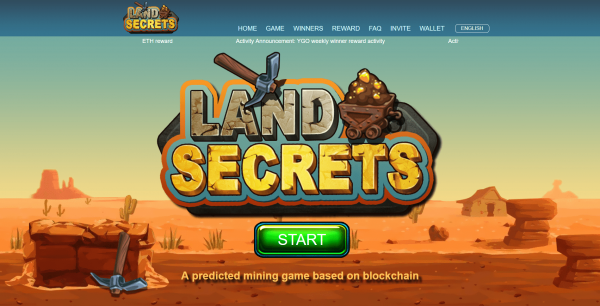
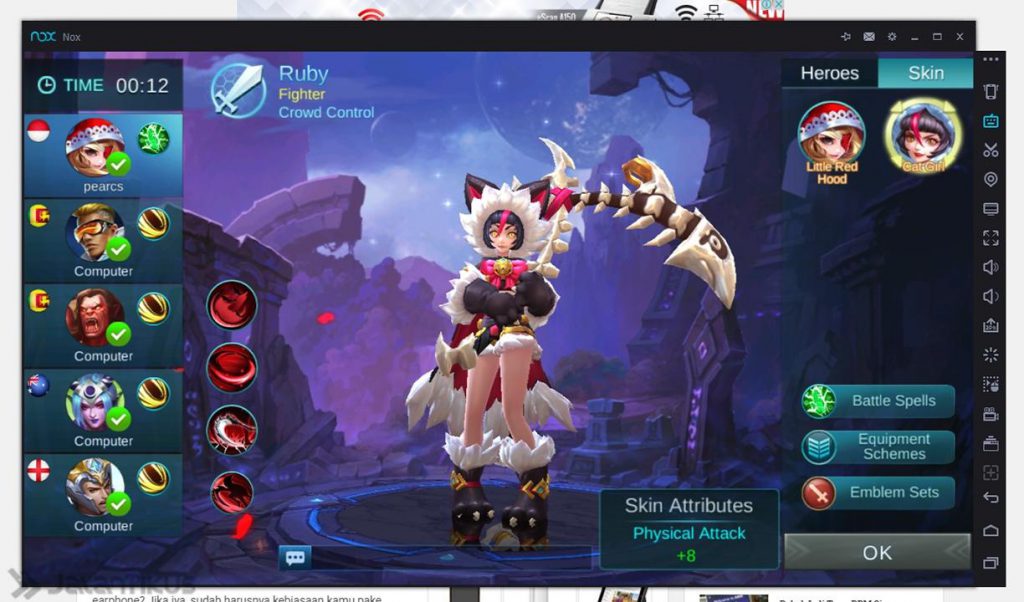
In many top Android games, buried settings let you remap touch zones or enable advanced graphics tuning that boosts frame rates without sacrificing clarity. For example, reducing shadow resolution or disabling particle effects in titles like *Genshin Impact* or *PUBG Mobile* can cut thermal throttling, while adjusting render scale keeps the UI sharp. Custom control layouts—like moving the fire button or adjusting joystick dead zones—reduce input lag on high-refresh screens. Dynamic resolution scaling is another hidden toggle that automatically lowers pixel count during intense scenes, preventing stutter. These options are often under “Advanced” or “Diagnostics,” not the main menu, so check every submenu to unlock smoother gameplay.
Hidden performance settings in Android games—from remapped controls to dynamic resolution—let you fine-tune responsiveness and frame stability, often doubling playability on mid-range devices.
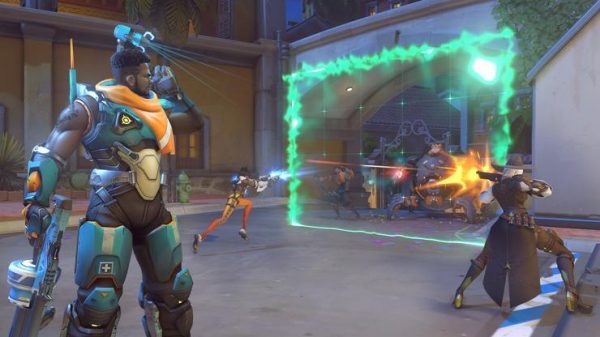
Offline Modes, Cloud Saves, and Cross-Platform Progress Explained
Many top Android games hide robust offline modes, cloud saves, and cross-platform progress behind default settings, often requiring manual activation. Offline modes in titles like *Stardew Valley* or *Minecraft* let you play without a signal, but your local progress only syncs to the cloud when you reconnect, preventing data loss. Cloud saves, typically tied to Google Play Games or developer accounts, must be explicitly backed up in-game to avoid overwriting newer local data with older server versions. Cross-platform progress, seen in *Genshin Impact* or *Diablo Immortal*, links your account to a unified profile, yet requires logging into the exact same provider on each device. *A common pitfall is disabling cloud sync to save battery, which silently breaks cross-platform continuity.*
- Toggle cloud save manually after each offline session to avoid merge conflicts.
- Use the same login method across all devices to ensure unified progress.
- Check offline mode’s syncing rules—some games only upload on explicit exit.
Practical Tips for Getting the Most Out of Your Favorite Mobile Titles
To truly dominate the top Android games, start by diving into each title’s settings menu—crank up the frame rate and disable battery saver for a buttery-smooth experience. Before sinking hours into a new RPG or shooter, check the game’s subreddit or Discord for a beginner’s guide, revealing which characters or loadouts are meta. For gacha-style hits, hoard your premium currency until a limited-time banner drops, then spend deliberately. Map out your daily quests in a logical order to clear them in one energized session rather than scattered play. Use an app like Game Launcher to block notifications during ranked matches, killing the distraction that costs you wins. Finally, rebind your on-screen controls or invest in a clip-on trigger—tiny tweaks that feel clumsy at first, yet transform reaction speed within a week. *The real secret, however, is learning when to quit a losing streak, since tilt erodes every advantage you’ve built.*
How to Manage In-Game Purchases and Avoid Unfair Paywalls
To manage in-game purchases in top Android games, set a monthly budget via Google Play’s parental controls or your bank app, then track every transaction. Before buying, check if the item is purely cosmetic or gives a competitive edge; avoid spending on “pay-to-win” energy timers or loot boxes with unclear odds. For single-player titles, disable Wi-Fi or mobile data to trigger offline mode and bypass aggressive “skip the wait” prompts. If a paywall blocks core story progression after a free chapter, uninstall and read community forums—often a hidden side quest or daily log-in bonus grants the same currency for free. Never buy “starter packs” until you’ve played five hours, as they lose value quickly. Use a prepaid card or virtual account for an extra friction layer, and always choose “ask every time” on your Google account. Smart purchase timing means waiting for seasonal sales, where premium currencies drop 50% or more, letting you buy once and stretch that value across multiple games.
Budget strictly, pre-check item value, use offline modes, and wait for discounts—spend only when a purchase genuinely enhances your experience, not when a timer pressures you.
Setting Up Controllers, Headsets, and Screen Recorders for a Better Experience
Pairing a low-latency Bluetooth controller, such as a Backbone or Razer Kishi, directly maps touch inputs to physical buttons, reducing thumb fatigue during extended sessions of Android action titles. For audio, a wired headset eliminates Bluetooth codec delay, ensuring accurate directional cues in competitive shooters; if wireless is mandatory, activate the low-latency mode in your phone’s developer options. Configure a screen recorder with internal audio capture and a transparent overlay for touch visualization, verifying the recording frame rate matches your display’s refresh rate to avoid stutter. Adjust the recorder’s bitrate to 12 Mbps for crisp 1080p output without thermal throttling. These three hardware and software calibrations form an optimized Android gaming environment that preserves console-grade responsiveness.
| Component | Key Adjustment | Benefit |
|---|---|---|
| Controller | Enable gamepad mode in title settings | Maps native actions to physical triggers |
| Headset | Use 3.5mm jack or low-latency codec | Removes audio-visual desync |
| Screen recorder | Lock 60fps and disable background apps | Prevents frame drops during capture |
Common Questions New Players Ask About Downloading and Playing
New players often ask if top Android games require a constant connection, and the answer varies—titles like *Genshin Impact* demand online access, while premium RPGs like *Baldur’s Gate* work fully offline after download. Another frequent question is about storage, since flagship games can exceed 15 GB after updates, so check your device’s free space before installing. Many also wonder whether in-game purchases are necessary to progress; in most competitive titles, you can earn premium currency slowly, but leaderboard chasers will still hit a pay-to-win wall without spending. Finally, players ask how to reinstall without losing progress—link your account to Google Play or a developer account immediately after launching, because uninstalling without a backup erases cloud saves. Always download only from the Google Play Store to avoid malicious clones, and restart your phone before a large install to prevent mid-download crashes.
Do You Need a High-End Phone to Enjoy These Games?
No, you do not need a flagship device to enjoy most top Android games, though your experience hinges on game selection. Titles like *Stardew Valley*, *Monument Valley*, and *Slay the Spire* run flawlessly on mid-range chipsets with 4–6GB RAM. However, demanding shooters like *Genshin Impact* or *Warzone Mobile* require high-end hardware for stable 60fps and reduced thermal throttling. For budget phones, prioritize lighter indie or strategy games and lower in-game graphics settings, shadows, and particle effects. If your phone has a Snapdragon 7-series or equivalent, you can still enjoy AAA titles at medium presets, but expect longer load times and quicker battery drain. Performance scaling means you trade visual fidelity for playability—not the ability to play at all.
How Much Storage and Data Do Top-Rated Games Typically Use?
Top-rated Android games typically demand **between 1GB and 10GB of initial storage**, with heavyweights like *Genshin Impact* or *Call of Duty: Mobile* ballooning past 15GB after updates and high-resolution textures. The real surprise is post-install data: most premium titles download an extra 2–5GB on first launch, which you should factor into your mobile plan. Some games let you stream assets instead of storing them, but this chews through data quickly if you’re not on Wi‑Fi. Always check the Play Store’s “app size” and “additional downloads” notes before pressing install, because your available space can shrink dramatically after a few patches.
Top-rated games usually need 5–20GB total (base app plus later updates), so budget for both storage and a 2–5GB day-one download.